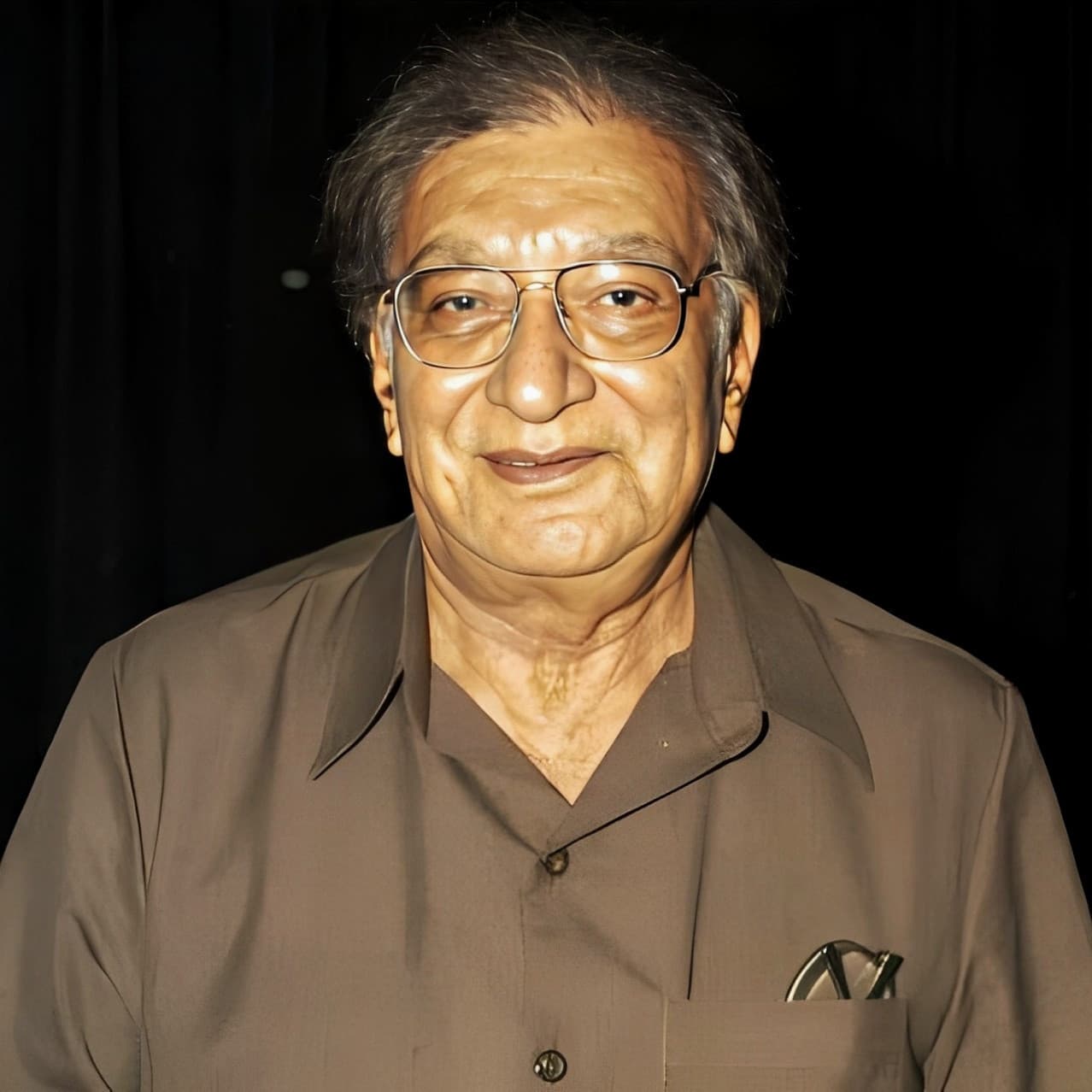
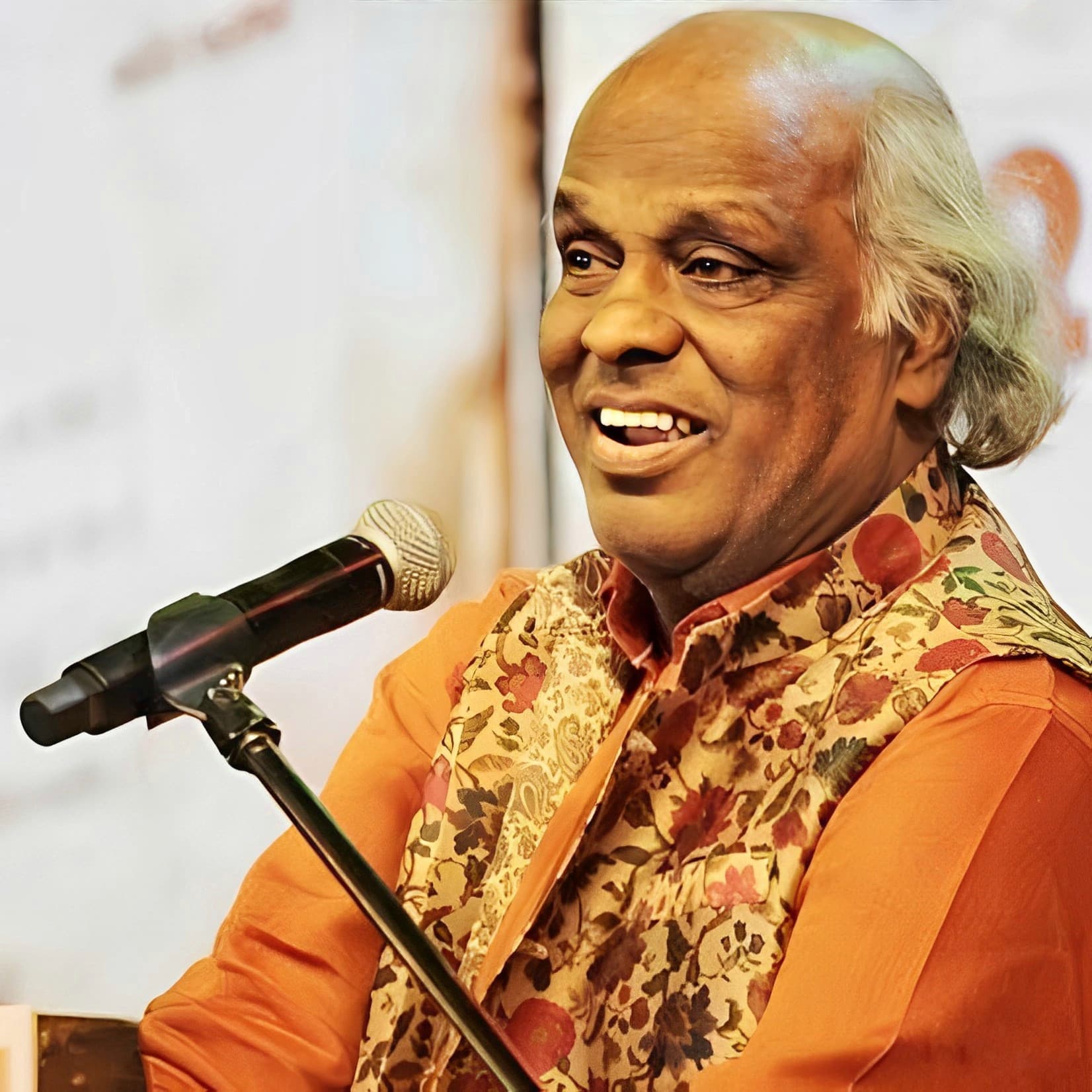
sherKuch Alfaaz

baat ka zakhm hai talwar ke zakhmon se siwa kijiye qatl magar munh se kuchh irshad na ho dagh dehlvi contrasts physical injury with the deeper, lingering hurt of speech. the “sword” stands for visible pain, while “words” become an invisible blade that keeps cutting inside. the speaker begs for restraint: even extreme harm feels easier than being pierced by cruel remarks. the couplet’s emotional core is the fear of humiliation and the lasting sting of harsh language.
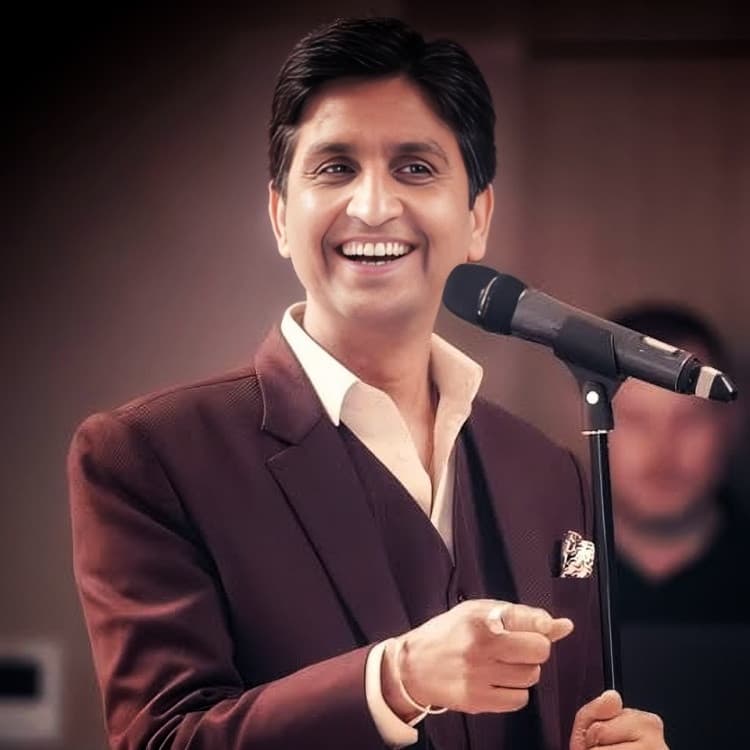
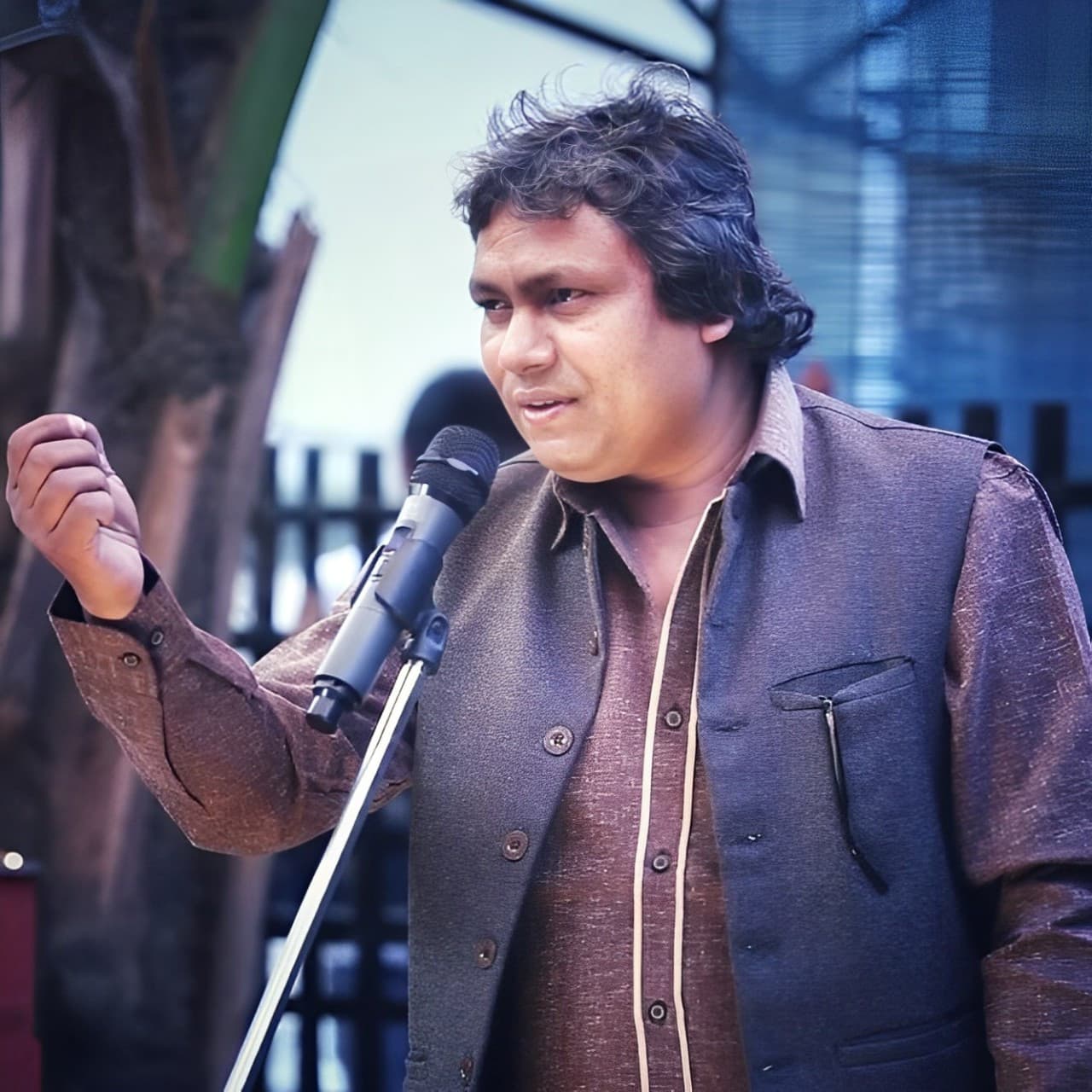
Related Sher

बिछड़ गए तो ये दिल उम्र भर लगेगा नहीं लगेगा लगने लगा है मगर लगेगा नहीं नहीं लगेगा उसे देख कर मगर ख़ुश है मैं ख़ुश नहीं हूँ मगर देख कर लगेगा नहीं

Umair Najmi

1244 likes

तुम्हें हुस्न पर दस्तरस है मोहब्बत वोहब्बत बड़ा जानते हो तो फिर ये बताओ कि तुम उस की आँखों के बारे में क्या जानते हो ये जुग़राफ़िया फ़ल्सफ़ा साईकॉलोजी साइंस रियाज़ी वग़ैरा ये सब जानना भी अहम है मगर उस के घर का पता जानते हो

Tehzeeb Hafi

1279 likes

हम को मालूम है जन्नत की हक़ीक़त लेकिन दिल के ख़ुश रखने को 'ग़ालिब' ये ख़याल अच्छा है

Mirza Ghalib

489 likes

ये अलग बात कि ख़ामोश खड़े रहते हैं फिर भी जो लोग बड़े हैं, वो बड़े रहते हैं

Rahat Indori

484 likes

ख़ुदी को कर बुलंद इतना कि हर तक़दीर से पहले ख़ुदा बंदे से ख़ुद पूछे बता तेरी रज़ा क्या है

Allama Iqbal

471 likes

Similar Writers

View All ›

Our suggestions based on Dagh Dehlvi.

Similar Moods

View All ›

More moods that pair well with Dagh Dehlvi's sher.